When Mental Health Concerns Become Safeguarding Matters
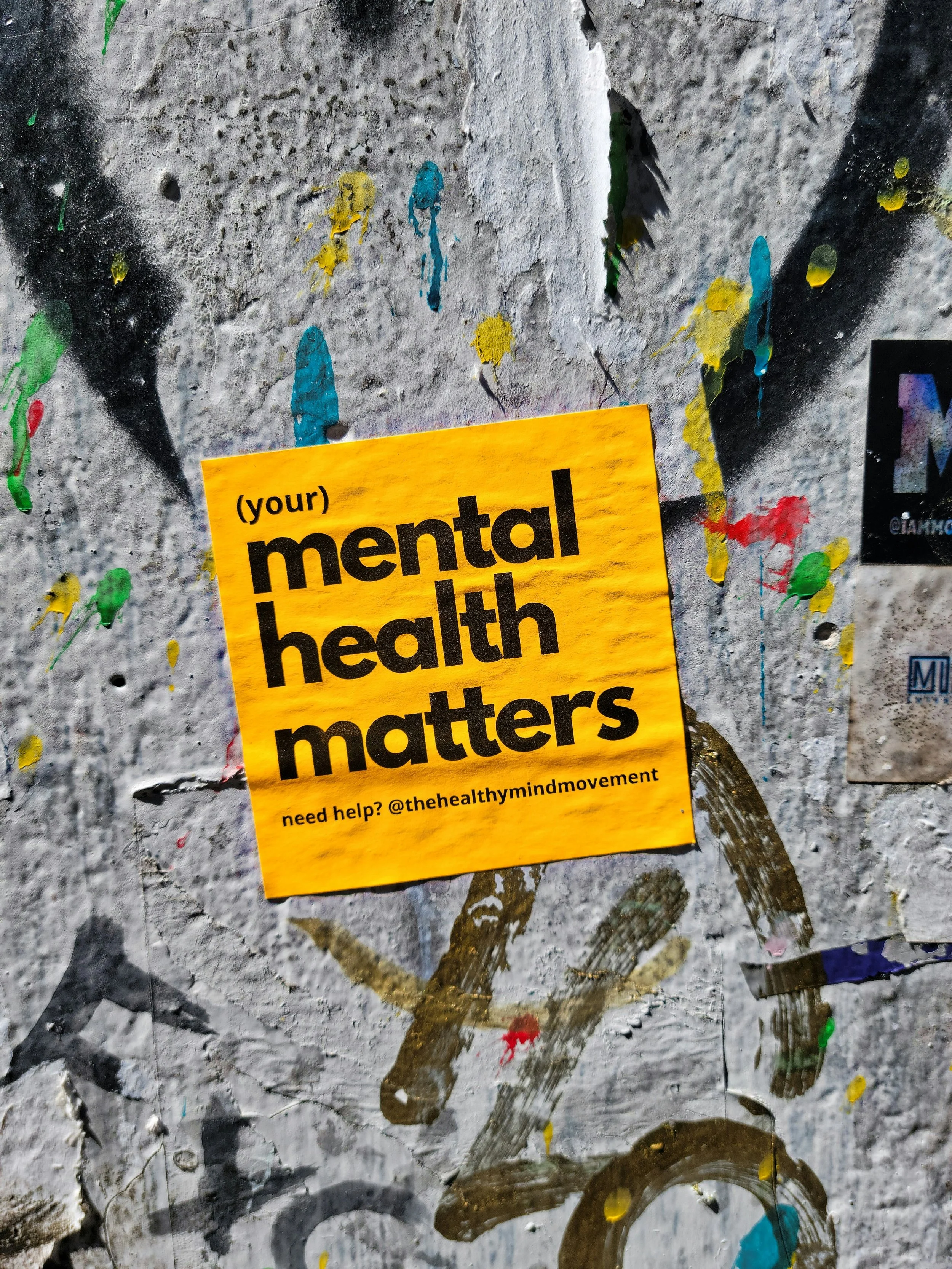
This week we're addressing a critical area that sits at the heart of our safeguarding practice: recognising when mental health concerns cross the threshold into safeguarding territory. As DSLs, we're often the first point of contact when staff identify vulnerable young people, and understanding this intersection is essential to keeping children safe.
The Intersection of Mental Health and Safeguarding
Mental health and safeguarding are deeply interconnected, yet they require different responses. While all safeguarding concerns affect mental health, not all mental health concerns are safeguarding matters. The key question we must ask is: Is this child at risk of significant harm?
Mental health becomes a safeguarding matter when there is risk of serious self-harm, suicidal ideation, severe neglect of the child's mental health needs by parents or carers, or when mental health difficulties make a child vulnerable to abuse or exploitation. As DSLs, our role is to recognise these threshold points and ensure appropriate action is taken, while maintaining compassionate support for the young person.
Self-Harm: Supporting Young People While Assessing Risk
Self-harm presents one of the most challenging areas for schools. Our response must balance immediate safety with building trust and understanding the underlying causes. When a young person discloses or is discovered to be self-harming, we need to remain calm, non-judgmental, and focused on their wellbeing.
Assessment of risk should consider the frequency, severity, and method of self-harm, whether there is suicidal intent, the young person's emotional state and support networks, and any escalation patterns. Low-level self-harm may be managed through school support and parental engagement, but significant or escalating self-harm requires immediate safeguarding intervention. Always document your concerns, share information with parents unless this increases risk, and make referrals to CAMHS or social care as appropriate. Remember that self-harm is often a coping mechanism, and our role is to help young people develop healthier strategies while keeping them safe.
Suicidal Ideation in Children: Immediate Actions and Ongoing Support
Suicidal ideation in children requires immediate and decisive action. If a child expresses suicidal thoughts or intent, this is always a safeguarding matter. Your immediate response should be to stay with the child and ensure they are not left alone, assess immediate risk by asking direct questions about plans and access to means, contact parents or carers immediately unless this increases risk, and make an urgent referral to CAMHS or take the child to A&E if risk is imminent.
Do not promise confidentiality when suicide is mentioned. Be direct in your questions as research shows this does not increase risk but rather provides relief that someone is taking their distress seriously. Following immediate crisis management, develop a safety plan with the young person, maintain regular check-ins, liaise with external agencies, and ensure all staff who interact with the child are briefed appropriately. Document everything thoroughly, including the young person's own words where possible.
Working with CAMHS and Managing Waiting Lists
The reality of CAMHS waiting lists is one of the most frustrating aspects of our work. Children can wait months for assessment while their mental health deteriorates. As DSLs, we need strategies to manage this challenging period.
When making CAMHS referrals, provide comprehensive information including specific incidents, impact on functioning, and risks identified. Request confirmation of receipt and expected timescales. If a referral is rejected or the waiting time is excessive and you believe the child is at risk, escalate your concerns. Contact the CAMHS duty line for urgent cases and document all communication and attempts to access support.
While waiting for CAMHS support, schools are not expected to provide therapy, but we can maintain protective oversight through pastoral support, regular welfare check-ins, and coordination with parents and other agencies. Consider whether an early help assessment might access additional community support. Don't allow a CAMHS referral to be the end of your involvement; waiting for external support does not remove our safeguarding responsibility.
Mental Health First Aid vs Safeguarding Intervention
It's vital that we understand the distinction between mental health first aid and safeguarding intervention. Mental health first aid, increasingly common in schools, involves providing initial support, reducing stigma, and signposting to appropriate services. It's about early intervention and building resilience.
Safeguarding intervention, however, is required when there is risk of significant harm, immediate safety concerns, child protection issues, or evidence of abuse or neglect. The threshold is met when a child needs protection from harm, not just support for their wellbeing.
As DSLs, we must ensure that staff understand this distinction. Well-meaning mental health champions or pastoral staff may inadvertently delay safeguarding referrals if they view situations solely through a mental health lens. Provide clear guidance that while mental health support is valuable, it does not replace safeguarding procedures when thresholds are met. Training should emphasise that these approaches work together, but safeguarding always takes precedence when children are at risk.
Book Your Safeguarding Supervision
Navigating the complex intersection of mental health and safeguarding is demanding work. Cases involving self-harm, suicidal ideation, and mental health crises can take an emotional toll and require careful professional judgment.
If you are managing cases involving mental health concerns, please book a safeguarding supervision session this week. Supervision provides a vital space to reflect on your decision-making, ensure you haven't missed critical risks, access support for the emotional impact of this work, and gain clarity on threshold decisions and next steps.
Don't wait until you're overwhelmed. Proactive supervision strengthens our practice and ultimately keeps children safer. Contact the safeguarding team to book your session.
Key Takeaways
Mental health becomes safeguarding when there is risk of significant harm
Always assess risk systematically and document your decisions
Suicidal ideation requires immediate safeguarding action
CAMHS waiting lists do not remove our duty of care
Mental health support and safeguarding intervention work together but serve different purposes
Supervision is essential for managing complex mental health safeguarding cases
Stay safe, stay vigilant, and remember you don't have to navigate these challenges alone.
With empowerment and support,
Kamelia